

Buying a home is often one of the most significant financial decisions we make in our lives. It’s an exhilarating journey filled with dreams of cozy living rooms, spacious kitchens, and sunny backyards. But as any seasoned homeowner or real estate professional will tell you, this journey can sometimes take unexpected turns. It’s essential to understand why real estate deals sometimes fall apart to navigate this intricate landscape successfully.
Low Appraisal
Imagine finding your dream home, making an offer, and then receiving the news that the appraisal has come in below the agreed-upon price. Low appraisals are a common cause of real estate deals falling apart. An appraisal is a professional assessment of a home’s market value, conducted by a licensed appraiser. It’s essential because it affects the amount a lender is willing to finance. When the appraisal comes in lower than the agreed sale price, it can create a financial gap that may lead to renegotiations or, in some cases, deal cancellations.
For example, if you agreed to purchase a home for $300,000 but the appraisal values it at $280,000, you may need to cover the $20,000 difference out of pocket, find a lender willing to finance based on the lower value, or renegotiate with the seller. A low appraisal can be frustrating for both buyers and sellers, as they often require adjustments to the deal’s terms or, in some cases, the search for a new buyer or seller altogether.
Financing Falling Through
The excitement of getting pre-approved for a mortgage is a pivotal moment in the home-buying process. However, it’s crucial to remember that pre-approval is not a guarantee of financing. Financing falling through is another common reason real estate deals hit roadblocks. Buyers can face financing challenges if their credit score changes significantly before closing, if they change jobs or income sources, or if they acquire new debt. Lenders review these factors throughout the underwriting process, which occurs after the initial pre-approval.
Imagine a scenario where you’re under contract to purchase a home, but you’ve just started a new job, causing the lender to reevaluate your application. If your employment history or income documentation differs from what was initially provided during pre-approval, it could lead to financing falling through. In such cases, buyers may need to seek alternative financing, delay the closing, or, ultimately, terminate the contract. It highlights the importance of maintaining financial stability throughout the home-buying process and keeping your lender informed of any significant changes. In recent years, we have seen an uptick in popularity of “Discount Real Estate Brokerages” that offer full-service at a lower price. Sometimes, using a discount Realtor can help provide wiggle-room in financing, where the homeowner can either help with it, or lower the price due to the tremendous savings that Discount Brokers can sometimes afford.
Interest Rates Going Up
Interest rates play a pivotal role in real estate transactions, affecting both buyers and sellers. When current interest rates rise unexpectedly, it can have a significant impact on affordability and financing options. Buyers who have locked in a mortgage rate may find themselves with higher monthly payments if rates increase before closing. This can strain their budget and potentially lead to financing difficulties.
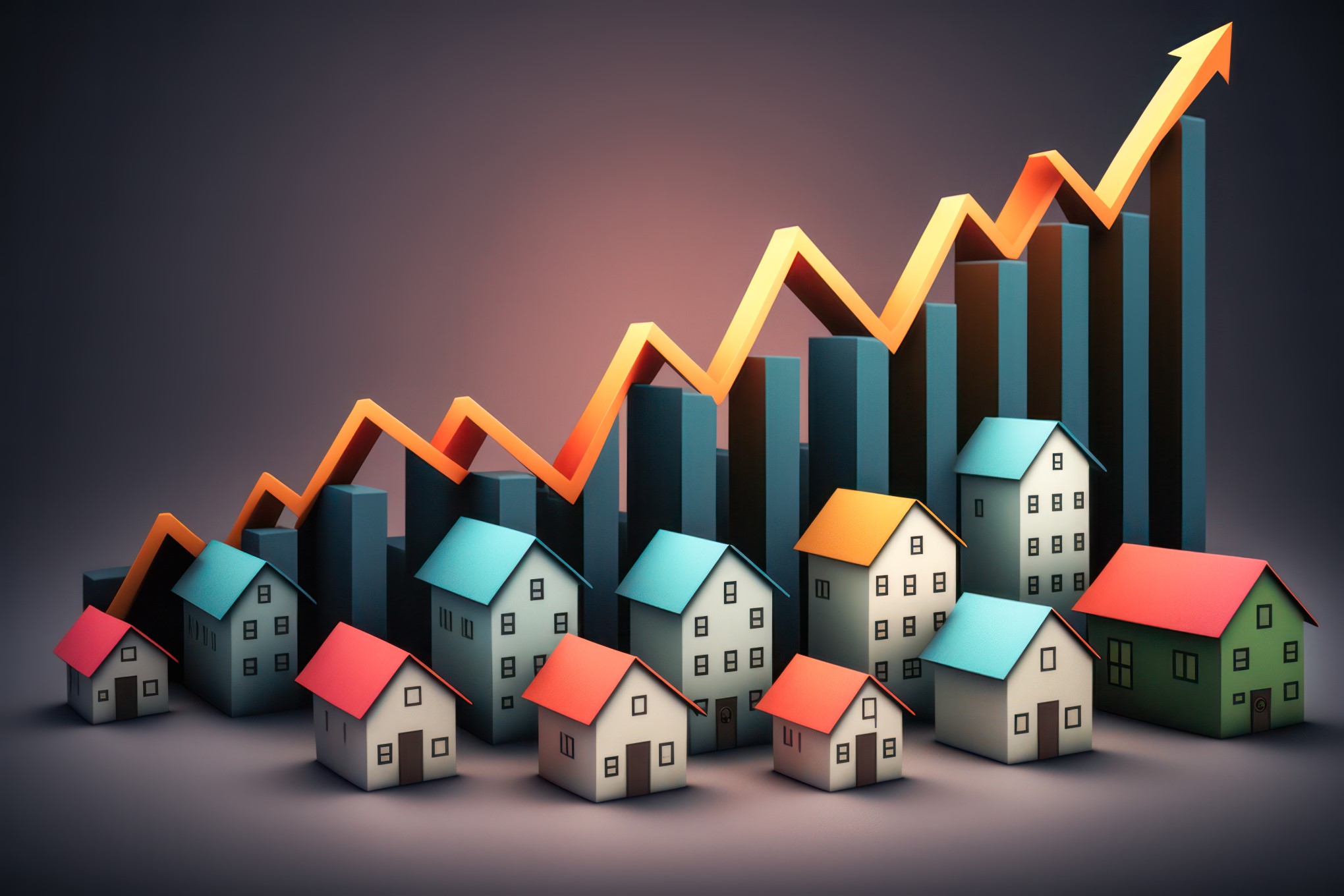
On the seller’s side, rising interest rates can reduce the pool of potential buyers. As rates increase, some buyers may reconsider purchasing a home or adjust their budget downward. This can result in longer market times and, in some cases, lower offers.
For example, imagine you’re a buyer who locked in a 3.5% interest rate on your mortgage, but by the time you reach the closing table, rates have risen to 4.5%. Your monthly mortgage payment would increase significantly, potentially exceeding your budgeted amount. This could lead to financing challenges or even the termination of the deal if you can’t secure a loan with the higher monthly payments.
Price of Insurance
Homeowners insurance is a non-negotiable part of the home-buying process, and its cost can impact your monthly housing expenses. Insurance providers consider various factors when determining premiums, including the location of the home, its condition, and the buyer’s credit history. If the cost of insurance comes in higher than anticipated, it can affect a buyer’s ability to afford the home and secure financing.
Imagine you’re in the final stages of closing on a home, and you receive the homeowners insurance quote. It’s significantly higher than expected due to factors like the home’s location in a high-risk area. This increase can strain your budget and potentially make the deal financially unviable. In such cases, buyers may need to explore alternative insurance providers, adjust their budget, or, in some instances, walk away from the deal.
Home Inspections
Home inspections are a critical step in the home-buying process, aiming to uncover any hidden issues with the property. While minor issues are expected, significant problems discovered during an inspection can jeopardize the deal. Common issues that can lead to deal cancellations include structural problems, issues with the foundation, electrical or plumbing deficiencies, or evidence of extensive mold or pest damage.
Imagine you’re in the middle of a home inspection, and the inspector uncovers significant water damage in the basement that was not disclosed by the seller. This discovery could raise concerns about the overall condition of the property and its potential repair costs. Depending on the terms of your contract and negotiations with the seller, you may need to decide whether to proceed with the deal, request repairs, or terminate the contract.
In this complex world of real estate transactions, understanding the potential pitfalls and reasons behind deal cancellations is essential. It empowers buyers and sellers to make informed decisions, navigate challenges, and ultimately achieve successful transactions.
Appraisal Shortfalls
Appraisals are a crucial component of the home buying process, as they determine the fair market value of the property. If an appraisal falls short of the agreed-upon purchase price, it can lead to various complications. When this happens, buyers may struggle to secure the necessary financing, as lenders typically base their loan amounts on the appraised value of the property.
For example, imagine you’ve found your dream home and agreed to purchase it for $300,000. However, when the appraisal comes back, it values the property at only $280,000. This $20,000 shortfall means that lenders may be unwilling to provide a mortgage for the full purchase price, and buyers may need to come up with the additional funds out of pocket or renegotiate the purchase price with the seller.
Securing Your Financing
Securing financing is a critical step for most homebuyers, and unexpected changes in financial circumstances can derail a deal. While buyers are typically pre-approved for mortgages, unforeseen changes like job loss, significant debt accumulation, or credit score drops can lead to the withdrawal of financing offers or increased interest rates.
Consider a scenario where a buyer receives pre-approval for a mortgage, only to lose their job shortly before closing. Without a steady source of income, they may no longer meet the lender’s criteria for financing. In such cases, buyers may need to explore alternative lenders, delay the closing until their financial situation stabilizes, or, in some unfortunate instances, cancel the deal altogether.
Buyer’s Remorse and Cold Feet 
The emotional rollercoaster of buying a home can sometimes lead to second thoughts. Buyers may experience “buyer’s remorse” or “cold feet” as the reality of the transaction sets in. This can result in buyers reconsidering their decision to purchase a home, even after a contract has been signed.
Imagine you’ve signed a contract to buy a home and, in the days leading up to the closing, you start feeling overwhelmed by the financial commitment and responsibilities of homeownership. You may begin to question whether you made the right decision. While this isn’t related to external factors like financing or inspections, it can still lead to deal cancellations if buyers can’t overcome their reservations.
In conclusion, the path to a successful real estate transaction is fraught with potential obstacles and pitfalls. By understanding the reasons why real estate deals can fall apart, both buyers and sellers can navigate the process with greater awareness and preparedness. While challenges may arise, informed decision-making and open communication can often lead to solutions that salvage deals and bring them to a successful close.
Legal Issues and Title Problems
Legal complications can also cause real estate deals to unravel. Issues related to property titles, such as disputes over property boundaries, undisclosed easements, or title defects, can surface during the due diligence period. If not resolved promptly, these problems may lead to a deal falling apart.
Imagine you’re in the final stages of purchasing a home when a title search reveals an undisclosed easement that grants your neighbor access to a portion of your property. This unexpected revelation can raise concerns about your property’s use and privacy, potentially causing you to reconsider the purchase or engage in negotiations to address the easement’s impact.
Inspection Surprises
Home inspections are essential for uncovering any hidden issues with a property. While most homebuyers expect minor defects to be identified during inspections, discovering major and costly problems can be a deal-breaker.
For instance, during a home inspection, it may be revealed that the property’s foundation has significant structural damage. Repairing such issues can be both time-consuming and expensive, which may lead buyers to rethink their decision to proceed with the purchase. In some cases, sellers may choose to address the problems by making necessary repairs, while in others, negotiations over repairs or price reductions may ensue.
Delays in the Closing Process
The closing process is the final step in a real estate transaction, where all necessary documents are signed, and ownership officially transfers from the seller to the buyer. Delays in this process can occur for various reasons, from missing paperwork to lender delays or even unexpected events like natural disasters.
Picture a situation where the closing date is approaching, but one of the parties involved fails to provide the required documentation on time. This delay can postpone the closing, creating frustration and uncertainty for both the buyer and seller. While some delays can be resolved with patience and coordination, others may lead to deal cancellations.
The Importance of Communication
Throughout the home buying process, effective communication is essential in addressing challenges and preventing deals from falling apart. Buyers and sellers should maintain open and transparent communication with their real estate agents, lenders, inspectors, and each other.
For example, if an inspection reveals unexpected issues, buyers can communicate their concerns to the seller and negotiate potential solutions. Similarly, if financing conditions change, buyers should promptly inform their lender and explore alternative options.
In conclusion, while real estate deals can be complex and face various potential pitfalls, many challenges can be overcome with careful planning, diligent due diligence, and effective communication. By understanding these common reasons why real estate deals fall apart, both buyers and sellers can navigate the process with greater awareness and resilience, increasing the chances of a successful transaction.
Navigating Real Estate Challenges
In the world of real estate, unexpected challenges and setbacks are par for the course. However, it’s crucial to remember that many of these issues are manageable with the right approach and the assistance of experienced professionals.
Successful real estate transactions often hinge on thorough preparation, from conducting due diligence and arranging financing to addressing inspection findings and legal matters. Buyers and sellers should be prepared for the possibility of obstacles and be flexible in their approach.
Ultimately, working closely with knowledgeable real estate agents, lenders, inspectors, and legal advisors can make a significant difference in resolving issues and keeping a deal intact. While some situations may lead to a deal falling apart, many can be resolved through negotiation, compromise, and creative problem-solving.
By staying informed about the potential challenges and maintaining open lines of communication, both buyers and sellers can increase their chances of navigating the real estate landscape successfully. With determination and the right resources, real estate transactions can move forward, allowing individuals to achieve their homeownership goals or sell their properties with confidence.
Learn from Experience
Real estate deals that fall apart can be disheartening, but they also provide valuable learning experiences. Buyers and sellers who encounter setbacks should reflect on the process and gather insights into what went wrong and how to avoid similar issues in the future.
Whether it’s addressing financing obstacles, managing inspection surprises, or handling legal complications, every challenge can be an opportunity to grow wiser and more resilient in the world of real estate. As the saying goes, “Experience is the best teacher,” and those who persevere through the challenges are often better equipped for success in their next real estate venture.
In closing, the world of real estate is dynamic, and challenges are part of the journey. By approaching these challenges with knowledge, preparation, and adaptability, individuals can increase their chances of turning a potentially deal-breaking situation into a successful and satisfying real estate transaction.